Dry Skin in the Winter Months: A Holistic Approach to Nourishing Skin from the Inside Out

Updated: Jan 21
If your skin feels tighter, duller, itchier, or more reactive during the winter months, you’re not imagining it. December through January can be especially challenging for skin health due to colder temperatures, lower humidity, indoor heating, and seasonal shifts within the body.
At Acupunctury, we view dry winter skin not just as a surface issue, but as a reflection of what’s happening internally. By combining Traditional Chinese Medicine (TCM) seasonal wisdom, thoughtful lifestyle and nutrition choices, and cosmetic acupuncture, we can support skin integrity, hydration, and resilience - naturally and gently.
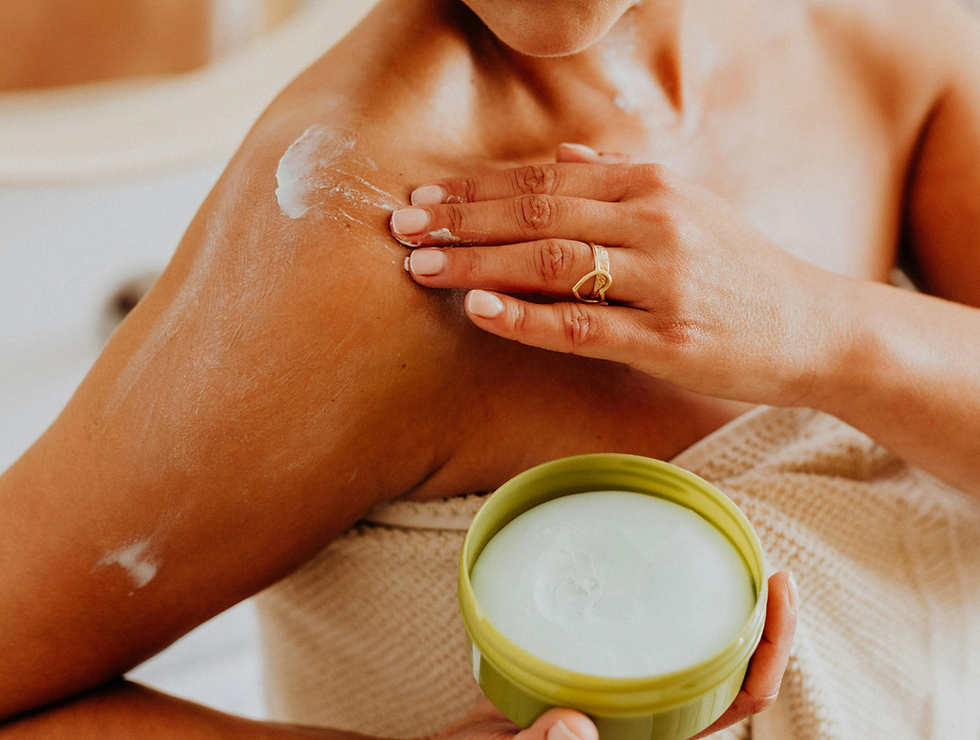
Why Skin Gets Drier in Winter
From a Western Skincare Perspective
During winter:
Cold air holds less moisture, dehydrating the skin
Indoor heating strips humidity from the environment
Skin barrier function becomes compromised
Transepidermal water loss (TEWL) increases
Blood flow to the skin may decrease in colder temperatures
This can lead to dryness, flaking, sensitivity, redness, eczema flare-ups, and delayed skin repair.
From a Traditional Chinese Medicine Perspective
In TCM, winter corresponds to:
The Water Element
The Kidney system
A time of conservation, restoration, and deep nourishment
Dry skin in winter is often associated with:
Blood and Yin deficiency (lack of moisture and nourishment)
Weak circulation to the skin
Overexertion or insufficient rest during a season meant for slowing down
Excess drying foods or habits
When the body’s internal reserves are low, the skin - our outermost organ - often shows it first.
TCM Lifestyle Tips for Winter Skin Health
Winter is not the season to push harder - it’s the season to protect, warm, and replenish.
Slow Down & Rest More: Adequate rest supports hormonal balance, immune health, and skin regeneration. Late nights and chronic stress deplete Yin and Blood, contributing to dryness and irritation.
Stay Warm (Especially the Lower Back & Feet): Keeping the Kidney area warm supports circulation and vitality, which indirectly nourishes the skin.
Hydration Looks Different in Winter: Cold beverages can weaken digestion in TCM. Opt for:
Warm water
Herbal teas
Bone broth or mineral-rich soups
Winter Nutrition for Dry Skin (TCM-Inspired)
Food is one of the most powerful tools for winter skin support.
Nourishing Foods to Emphasize
These help build Blood and Yin, supporting moisture and elasticity:
Bone broth or collagen-rich soups
Stews with root vegetables (sweet potato, carrots, squash)
Pears (lightly cooked)
Black sesame seeds
Walnuts
Eggs
Oats
Avocado
Olive oil
Foods to Limit
These can contribute to dryness or irritation:
Excess alcohol
Very spicy or fried foods
Overuse of coffee
Cold, raw foods (especially smoothies)
Warm, cooked meals are easier to digest and more nourishing during winter months.
At-Home Skincare Tips for Dry Winter Skin
Simple changes can make a big difference:
Gentle Cleansing: Use a non-foaming, fragrance-free cleanser. Over-cleansing strips the skin barrier.
Seal in Moisture: Apply moisturizer to slightly damp skin to lock in hydration. Look for ingredients like:
Ceramides
Glycerin
Hyaluronic acid
Squalane
Support the Skin Barrier: Avoid over-exfoliation in winter. Skin renewal slows naturally during colder months.
Daily Sun Protection: Even in winter, UV exposure contributes to dryness and inflammation. Use a mineral SPF daily.
Humidify Your Space: Adding moisture to indoor air can significantly improve skin hydration overnight.
How Cosmetic Acupuncture Helps with Dry or Irritated Skin
Cosmetic acupuncture is a gentle, restorative approach to skin health that works both locally and systemically.
Western Physiological Benefits
Cosmetic acupuncture may help:
Increase local blood flow and oxygenation
Support fibroblast activity (collagen and elastin production)
Reduce inflammation
Improve skin tone and texture
Enhance lymphatic drainage
Support barrier repair over time
This can be especially helpful for skin that feels dull, tight, reactive, or slow to heal in winter.
TCM Benefits
From a TCM perspective, cosmetic acupuncture:
Nourishes Blood and Yin
Moves stagnation that impairs skin vitality
Supports the Kidney and Spleen systems
Helps regulate the nervous system (stress plays a major role in skin dryness)
At Acupunctury, cosmetic acupuncture treatments are always customized and may be paired with body acupuncture to address internal imbalances contributing to dry or sensitive skin.
Who May Benefit Most During Winter
Cosmetic acupuncture can be particularly supportive if you experience:
Chronic dry or flaky skin
Seasonal eczema or sensitivity
Redness or irritation
Dull or uneven tone
Skin that doesn’t respond well to harsh treatments
Care is always approached thoughtfully, especially for individuals with sensitive skin concerns.
Final Thoughts: Winter Is a Season to Nourish, Not Force
Winter skin doesn’t need aggressive treatments - it needs support, warmth, and nourishment.
By aligning skincare, nutrition, and lifestyle with the season - and supporting the body through holistic therapies like cosmetic acupuncture - you can help your skin feel calmer, more resilient, and more radiant throughout the colder months.
If your skin is feeling dry, reactive, or depleted this winter, you’re not alone - and there are gentle, effective ways to support it.
If you’d like to explore cosmetic acupuncture or holistic skin support, Acupunctury is here to guide you with care.
📞 Call/Text: (424) 252-1210
📧 Email: hello@acupuncturyla.com
🌐 Website: www.acupuncturyla.com
📱 Instagram: @acupunctury
📍 Address: 1150 Yale St, Suite 10, Santa Monica, CA 90403
Medical Disclaimer: The information provided here is for educational purposes only and is not intended as medical advice. Each individual is unique, and acupuncture treatments are always tailored to the person’s specific needs. If you are experiencing a health concern, please consult a licensed healthcare professional to determine the most appropriate course of care.


Comments