Chinese New Year: History, Meaning, and Traditional Chinese Medicine Practices for the New Year
- Stella de Stefanis

- Feb 7
- 4 min read
Chinese New Year - also known as the Spring Festival (Chūnjié), and commonly referred to as Lunar New Year - is one of the most important cultural celebrations in Chinese history and contemporary life. Rooted in thousands of years of tradition, it marks the transition from winter into spring and symbolizes renewal, continuity, and harmony between humans and the natural world.
More than a single holiday, Chinese New Year is a seasonal threshold - a time for reflection, reconnection, and intentional beginnings. While it is often associated with vibrant celebrations and symbolism, its deeper meaning lies in honoring ancestry, aligning with nature’s cycles, and preparing for the year ahead with clarity and balance.

What Is Chinese New Year?
In 2026, Chinese New Year begins on February 17, marking the start of the Year of the Horse according to the lunar calendar. Chinese New Year follows the lunar calendar, which means its date changes each year, typically falling between late January and mid-February. The celebration begins on the new moon and traditionally lasts 15 days, concluding with the Lantern Festival on the full moon.
Rather than marking time in a linear way, Chinese New Year reflects a cyclical understanding of life - one that emphasizes renewal, rest, and return.
At its core, the holiday centers on:
Family reunions and honoring elders and ancestors
Closing out the old year and welcoming the new
Creating harmony within the home and community
Aligning with seasonal and natural rhythms
A Brief History of Chinese New Year
The origins of Chinese New Year date back over 3,000 years, emerging from early agrarian societies that relied on lunar cycles and seasonal observation. Ancient celebrations were closely tied to prayers for good harvests, favorable weather, and protection from hardship.
Over time, the festival evolved through:
Imperial customs and ceremonial rituals
Folklore and myth
Confucian values emphasizing family, respect, and social harmony
Daoist philosophy centered on balance between humanity and nature
Despite regional variations, the central intention has remained the same: to move forward with mindfulness, balance, and respect for the past.
The Chinese Zodiac and the New Year Cycle
Chinese New Year also marks the transition from one zodiac animal to the next. The Chinese zodiac is a 12-year cycle, with each year associated with an animal that reflects symbolic qualities and energetic themes. Traditionally, these associations are used as a cultural framework for reflection rather than prediction or fixed personality traits.
2025 was the Year of the Snake, which began at Lunar New Year (not January 1). In Chinese cultural symbolism, the Snake is associated with wisdom, introspection, strategy, and transformation. Snake symbolism is traditionally associated with quieter, more inward-focused periods that favor discernment, depth, and thoughtful change.
The cycle then transitions into the Year of the Horse, which begins at the following Lunar New Year. The Horse represents movement, vitality, independence, and forward momentum. In contrast to the Snake’s reflective energy, Horse years are associated with action, expansion, and outward expression.
In traditional contexts, these zodiac transitions are understood as part of a broader rhythm between time, nature, and human life-offering perspective and symbolism rather than fortune-telling.
What Does Chinese New Year Symbolize?
Renewal and Fresh Beginnings
Chinese New Year represents a symbolic reset. Homes are cleaned, old matters are resolved, and space is made - physically and emotionally - for what is to come.
Family, Lineage, and Continuity
Honoring ancestors and gathering with family are central to the celebration, reinforcing the importance of connection, memory, and shared history.
Harmony With Nature
The timing of Chinese New Year reflects a deep awareness of seasonal transition. Winter’s stillness begins to soften, and spring’s movement slowly emerges.
Cycles Rather Than Endpoints
Rather than emphasizing finality, Chinese New Year reflects the idea that life unfolds in cycles - each ending carrying the seed of a new beginning.
Chinese New Year and Traditional Chinese Medicine (TCM)
Traditional Chinese Medicine developed within the same philosophical framework that shaped Chinese New Year - one that views the human body as inseparable from nature and seasonal change.
In TCM, the Lunar New Year marks the gradual shift from winter’s inward, conserving energy toward spring’s upward and outward movement.
Winter is associated with rest, storage, and Kidney energy
Spring corresponds to growth, circulation, and Liver energy
The New Year sits at the threshold between the two
This is considered a time for gentle support, not forceful change.
Traditional TCM-Inspired Practices for the New Year
These practices are rooted in classical Chinese medicine philosophy and are meant to support balance rather than replace medical care.
Gentle Nourishment Instead of Harsh Detoxes
In TCM, the body detoxifies best when properly supported. Early spring favors:
Warm, cooked meals
Simple soups and broths
Light, seasonal greens in moderation
Extreme cleansing is generally discouraged during this transition.
Supporting Smooth Qi Flow
Spring is associated with the Liver system, which governs the smooth movement of Qi throughout the body and mind. Helpful practices may include:
Gentle stretching or walking
Breathwork and mindful movement
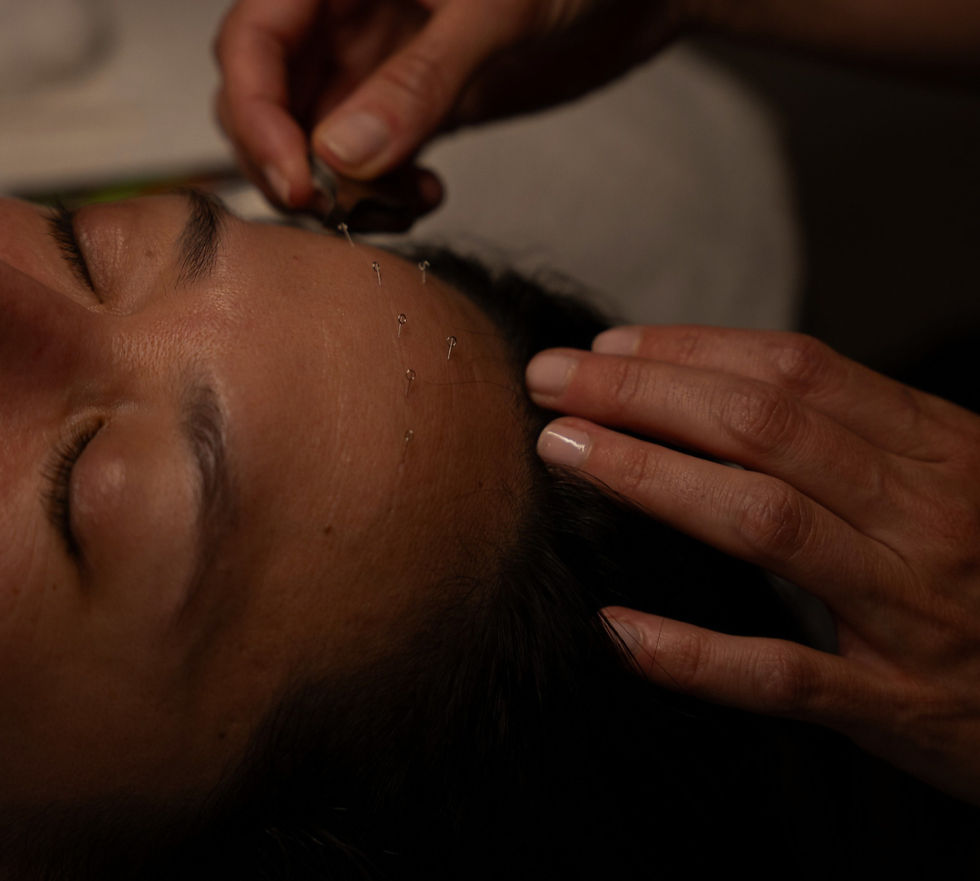
Acupuncture or acupressure
Allowing space for emotional expression
Rest Before Expansion
Although the New Year symbolizes beginnings, TCM emphasizes not rushing forward too quickly. Adequate sleep and slower pacing help preserve energy as yang gradually rises.
Acupuncture for Seasonal Alignment
Traditionally, acupuncture around this time may focus on:
Encouraging circulation
Supporting the nervous system
Assisting the body’s transition between seasons
Treatments are always individualized, based on the person—not the calendar alone.
Honoring Chinese New Year With Respect
Chinese New Year is a living cultural tradition with deep historical and spiritual significance. Engaging with it respectfully means acknowledging its Chinese origins, understanding that practices vary widely by region and family, and avoiding oversimplification or commercialization.
Traditional Chinese Medicine does not exist apart from this cultural context - it emerged from it.
A Time to Pause, Reflect, and Realign
Chinese New Year invites a rare pause: a moment to reflect, reconnect, and realign with both nature and ourselves. Whether celebrated traditionally or quietly acknowledged, its themes of renewal, balance, and continuity remain deeply relevant today.
Approached with respect and intention, this season offers an opportunity to move forward - grounded, supported, and aligned with the rhythms that sustain us.
📞 Call/Text: (424) 252-1210
📧 Email: hello@acupuncturyla.com
🌐 Website: www.acupuncturyla.com
📱 Instagram: @acupunctury
📍 Address: 1150 Yale St, Suite 10, Santa Monica, CA 90403


Comments